
Core Engineering
Protective Coatings
Effective corrosion protection involves considerably more than selecting a paint.
Coating-system engineering that begins with the service environment rather than the product datasheet.
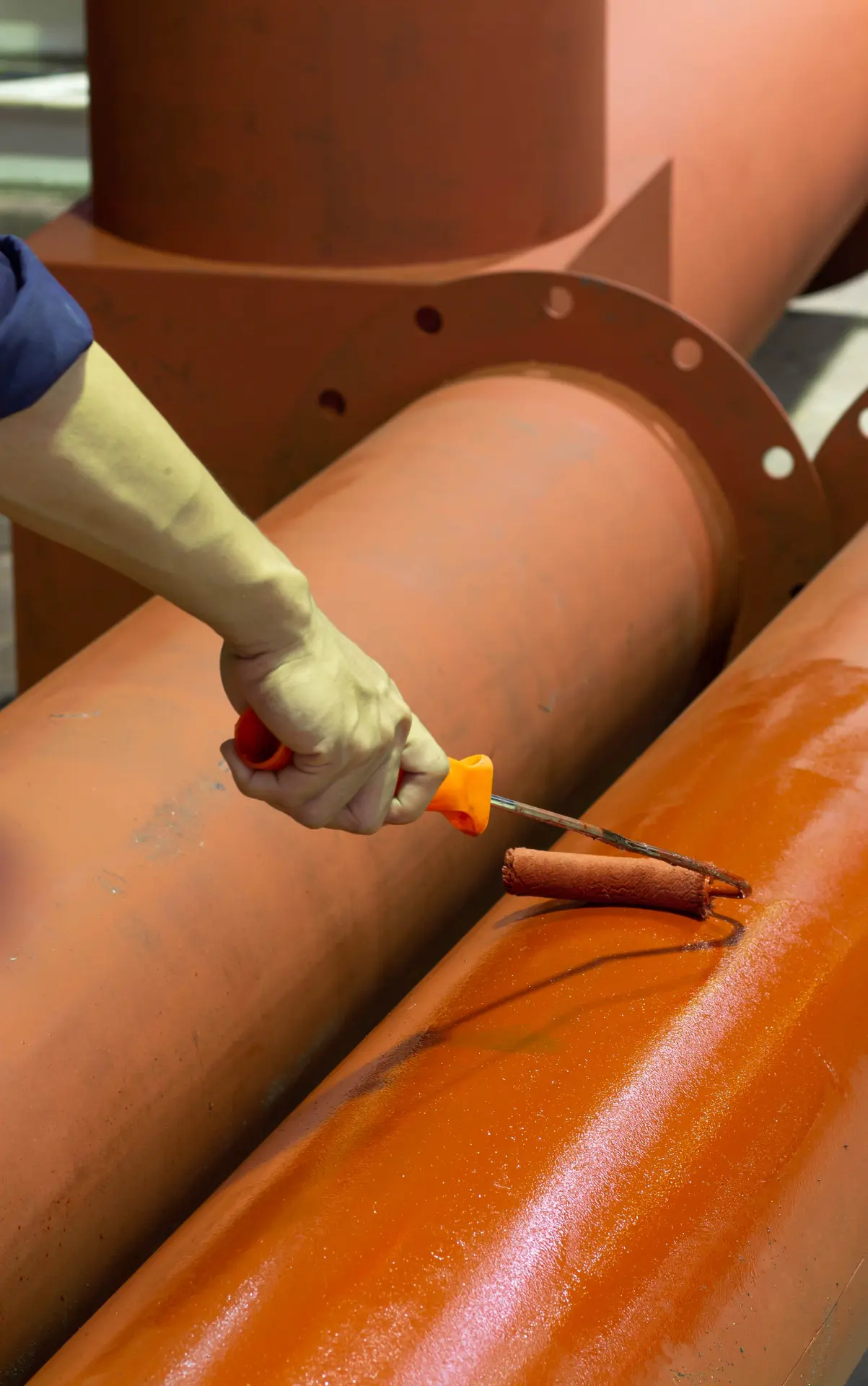
The Engineering Challenge
A protective coating is an engineered system, not a single product. Its performance depends on the environment it must survive, the condition of the substrate it is applied to, and the way the individual coats within the system work together. Specifying a coating without establishing those conditions leaves performance to chance.
Why It Matters
Coating systems frequently combine primers, intermediate coats and finish coats, each contributing a distinct function — adhesion and corrosion inhibition, build and barrier performance, and resistance to the external service environment. Matching that build to the intended duty is what determines whether the system performs as specified.
Capability detail
Capability
How Whitewells Supports This Area
- Engineering advice on coating-system selection for a defined service environment.
- Consideration of surface preparation requirements, including cleanliness and surface profile.
- Review of coating-system composition across primer, intermediate and finish coats.
- Advice on coatings used in conjunction with cathodic protection.
Technical Considerations
- Intended service environment
- Temperature cycles
- Humidity
- Scratch resistance
- Coating-system composition
- Surface cleanliness
- Surface roughness and profile
- Coating adhesion
- Durability across intended service life
Where It Applies
- Coated steel structures in marine and offshore service
- Pipeline coatings and associated installations
- Land-based industrial structures and plant
Related
Related Capabilities
Discuss Protective Coatings With Whitewells
Share the operating environment, the asset and the technical question, and our engineering team will respond.